K-Beauty in Brazil and Mexico: Inside Latin America's 2026 Surge
Korean cosmetics exports to Latin America more than doubled in the first half of 2026. Brazil and Mexico are leading the surge, but each comes with its own regulatory and tariff hurdles.
By K-Beauty Business Intelligence ·
K-beauty in Brazil and Mexico is growing faster than almost anywhere else in the world. NielsenIQ reports that K-beauty value sales in the two countries grew 135% year on year (NielsenIQ, July 2026). Korean export data show the same trend from the supply side.
Why it matters: Latin America is still a small share of Korea's cosmetics exports, which means the market is far from crowded. For distributors and brand founders in the region, 2026–2027 is a window to build K-beauty portfolios before competition and prices catch up.

Photo by Raphael Nogueira on Unsplash
📊 The Numbers: Small Base, Very Fast Growth
Korea's cosmetics exports to Latin America reached US$168 million in the first half of 2026, up 105.8% year on year (Korea International Trade Association, via Seoul Economic Daily, August 2026).
Brazil is the standout. Exports there rose from about US$9 million in 2022 to an estimated US$54 million in 2025 (ChemLinked, February 2026). In the first half of 2026 alone, exports reached US$43.4 million, up 86.4%, and Brazil climbed from Korea's 33rd-largest cosmetics export market to 28th (KITA, via Seoul Economic Daily, 2026).
Indicator Value Source
K-beauty sales growth, Brazil + Mexico +135% YoY NielsenIQ (2026)
Korean cosmetics exports to Latin America, H1 2026 US$168M (+105.8%) KITA (2026)
Korean cosmetics exports to Brazil, H1 2026 US$43.4M (+86.4%) KITA (2026)
Brazil's rank among export markets 33rd → 28th KITA (2026)
The consumer side is moving just as fast. Korean dramas, K-pop fan communities and social commerce have made Korean skincare routines familiar to younger shoppers across Latin America. For many distributors, the question is no longer whether consumers know K-beauty, but which products and price points will work locally.
For comparison, Korea's total cosmetics exports were US$11.1 billion in January–September 2026 (Ministry of Food and Drug Safety, 2026). Latin America is growing fast from a small base, which is exactly where early movers can win.
📍 Brazil: A Huge Market With Strict Gatekeeping
Brazil is widely described as one of the world's largest beauty markets and the biggest in Latin America. It also has one of the toughest regulators.
Product registration and notification are handled by ANVISA, Brazil's National Health Surveillance Agency. Industry officials describe its procedures as "extremely stringent." For sunscreen, formal registration typically takes six to 12 months, and companies often need to supplement clinical or ingredient data to meet Brazilian standards (Seoul Economic Daily, August 2026).
That may slowly change. In February 2026, Korea's Ministry of Food and Drug Safety and ANVISA signed a revised MOU that, for the first time, explicitly covers cosmetics. Its three pillars are information exchange, regulatory reliance, and regulatory harmonization, including e-labeling and functional cosmetics (ChemLinked, February 2026).
During President Lee Jae-myung's state visit to Brazil in July 2026, K-beauty was proposed as a new area of cooperation. Industry players now expect an official MFDS–ANVISA channel and simpler reviews, but no simplified procedure had been finalized as of August 2026 (Seoul Economic Daily, 2026).
Brazil can also be a gateway. Products that clear ANVISA and build a track record in Brazil have a stronger story for neighboring markets, and Brazilian distributors with regional reach can become partners for wider South American expansion.
💡 Buyer takeaway: Do not wait for faster approvals. Start ANVISA work on your lead SKUs now, beginning with the slowest categories like sun care.

Photo by João Pedro Vergara on Unsplash
📍 Mexico: Easier Entry, New Tariff Math
Mexico offers a different trade-off. General cosmetics typically do not need pre-market sanitary registration, though products must meet Mexican labeling standards (NOM-141-SSA1/SCFI-2012) and be imported through a properly registered importer.
The bigger issue in 2026 is tariffs. From January 1, 2026, Mexico raised import duties on 1,463 tariff lines for goods from countries without a free trade agreement with Mexico. Korea is one of those countries. Some summaries list cosmetics duties rising from 10% to 25% (Expeditors; Mondaq, 2026). A separate decree effective April 24, 2026 added measures on a further 185 tariff lines, which also include cosmetics (White & Case, 2026).
Factor Brazil Mexico
Regulator ANVISA COFEPRIS
Pre-market process Registration or notification by risk class Generally none for general cosmetics; labeling rules apply
Main hurdle Long approval times (sunscreen 6–12 months) Higher 2026 tariffs on non-FTA origin goods, including Korea
Recent Korea link MFDS–ANVISA MOU (Feb 2026) No Korea–Mexico FTA
Mexico still has clear strengths. It is close to the US, has a large young consumer base and a growing modern retail and marketplace sector. For some brands, Mexico can be a practical first step into Latin America while longer Brazilian registrations are in progress.
💡 Buyer takeaway: Check your exact HS codes against Mexico's current tariff schedule before you price. A 15-point duty increase can change which SKUs make sense.
✅ What Latin American Consumers Are Buying
NielsenIQ data show that the global K-beauty surge is led by essences, serums, ampoules, sheet masks, acne patches, and ingredient stories such as snail mucin, centella and PDRN (NielsenIQ, 2026). Latin American demand broadly follows the same pattern, with some regional angles worth noting:
• Sun care: Strong sunshine and outdoor lifestyles make lightweight Korean sunscreens a natural fit, but they face the longest approvals in Brazil.
• Oil control and lightweight textures: Gel creams, toners and non-sticky formulas suit hot, humid climates.
• Body care: Body care is a large category in Brazil, giving K-beauty body lotions and scrubs room to grow.
• Haircare and wellness: NielsenIQ names haircare and wellness as K-beauty's next adjacent growth categories globally (NielsenIQ, 2026).
Localization matters. Portuguese and Spanish labels, local claims rules and region-specific shades or textures all affect sell-through. We explored this approach in K-beauty Is Becoming a Data-Driven Localization Model.
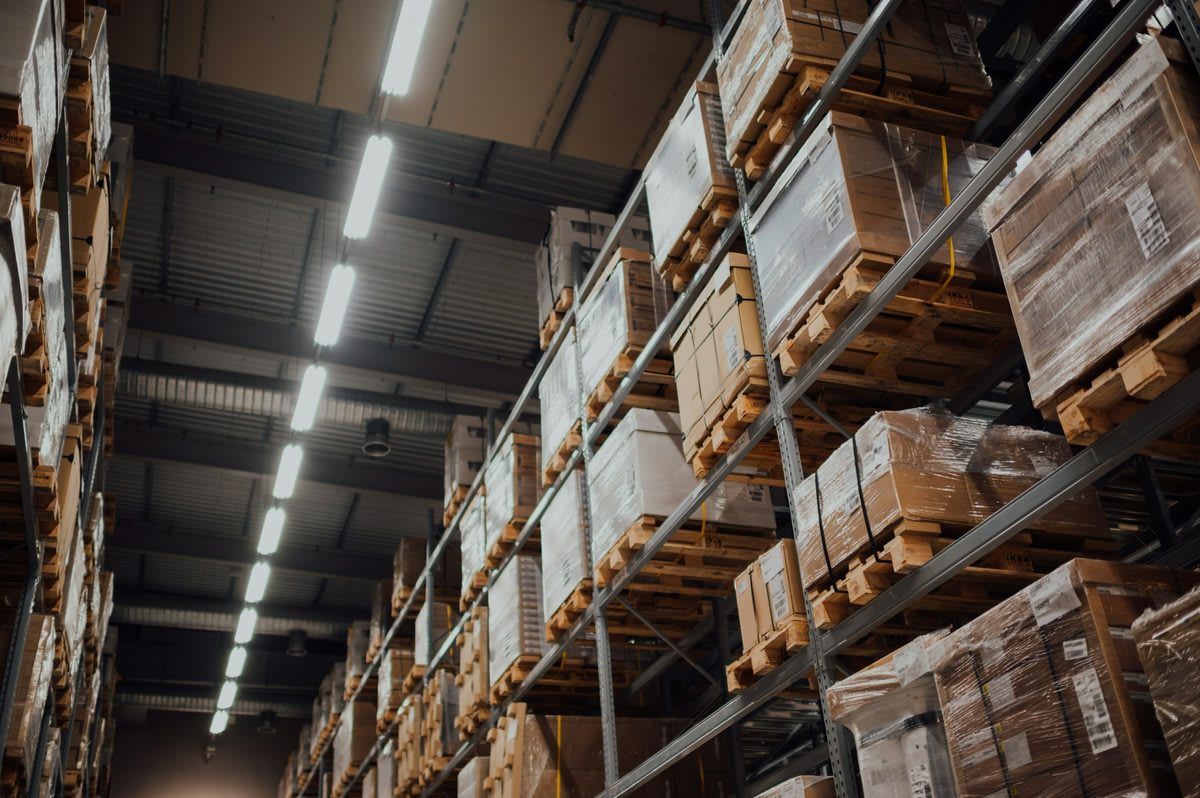
Photo by CHUTTERSNAP on Unsplash
💡 A Practical Entry Plan for Latin American Buyers
If you are a distributor or brand founder in Brazil or Mexico, here is how we would approach 2027:
• Start with a focused SKU list. Pick 5–10 hero products with proven demand rather than a full catalog.
• Map regulatory timelines first. In Brazil, sequence ANVISA work so slow categories start first. In Mexico, confirm labeling and importer setup.
• Run the landed-cost math. Include Mexico's 2026 tariffs, freight, local taxes and registration costs before committing to price points.
• Choose manufacturers with export documentation ready. Ask Korean partners for full INCI lists, specifications, stability data and certificates of free sale.
• Control your registrations. Make sure product registrations and technical files are not locked to a single distributor without your agreement.
For a detailed list of questions to ask Korean suppliers, see Before You Sign Anything: The K-beauty Manufacturer Verification Checklist.
Key Takeaways
• K-beauty sales in Brazil and Mexico grew 135% year on year (NielsenIQ, 2026).
• Korean cosmetics exports to Latin America reached US$168M in H1 2026 (+105.8%), with Brazil up 86.4% (KITA, 2026).
• Brazil offers scale but strict ANVISA approvals; a 2026 MFDS–ANVISA MOU may ease this over time, but nothing is finalized yet.
• Mexico has simpler entry for general cosmetics but higher 2026 tariffs on Korean-origin goods.
• Winning in the region requires focused SKUs, early regulatory planning, careful landed-cost math and localization.
Sources: NielsenIQ (Jul 2026); Seoul Economic Daily (Aug 1, 2026), citing KITA; ChemLinked (Feb 2026); Ministry of Food and Drug Safety (Oct 2026); Expeditors, Mondaq and White & Case tariff alerts (2026). Tariff and regulatory details should be confirmed with a licensed customs broker.
Looking to source from Korean manufacturers?
KNSUNCLES connects global brands with verified K-beauty OEM/ODM partners — from formulation to export.
👉 Contact us
for sourcing or partnership inquiries.
KNSUNCLES · Daily K-Beauty Pulse, Direct from Seoul · kbeautybiz.blogspot.com