Private Label K-Beauty: Why Retailers Turn to Korean ODMs
Europe's drugstores, a Spanish supermarket giant, a US beauty chain and a Brazilian drugmaker are all putting their own names on Korean-made skincare. Here is how the model works, and what buyers should plan for.
By K-Beauty Business Intelligence ·
Private label K-beauty has moved from niche to mainstream. Retailers that once stocked Korean brands are now asking Korean manufacturers to make skincare under the retailer's own name, from drugstore chains in Europe to a supermarket giant in Spain and a beauty retailer in the US.
Why it matters: "Made in Korea" has become a selling point that retailers can own, not just rent from other brands. For buyers, this opens a faster route to K-beauty-quality products with your own margin structure. It also means more competition for capacity at Korea's top ODM factories.
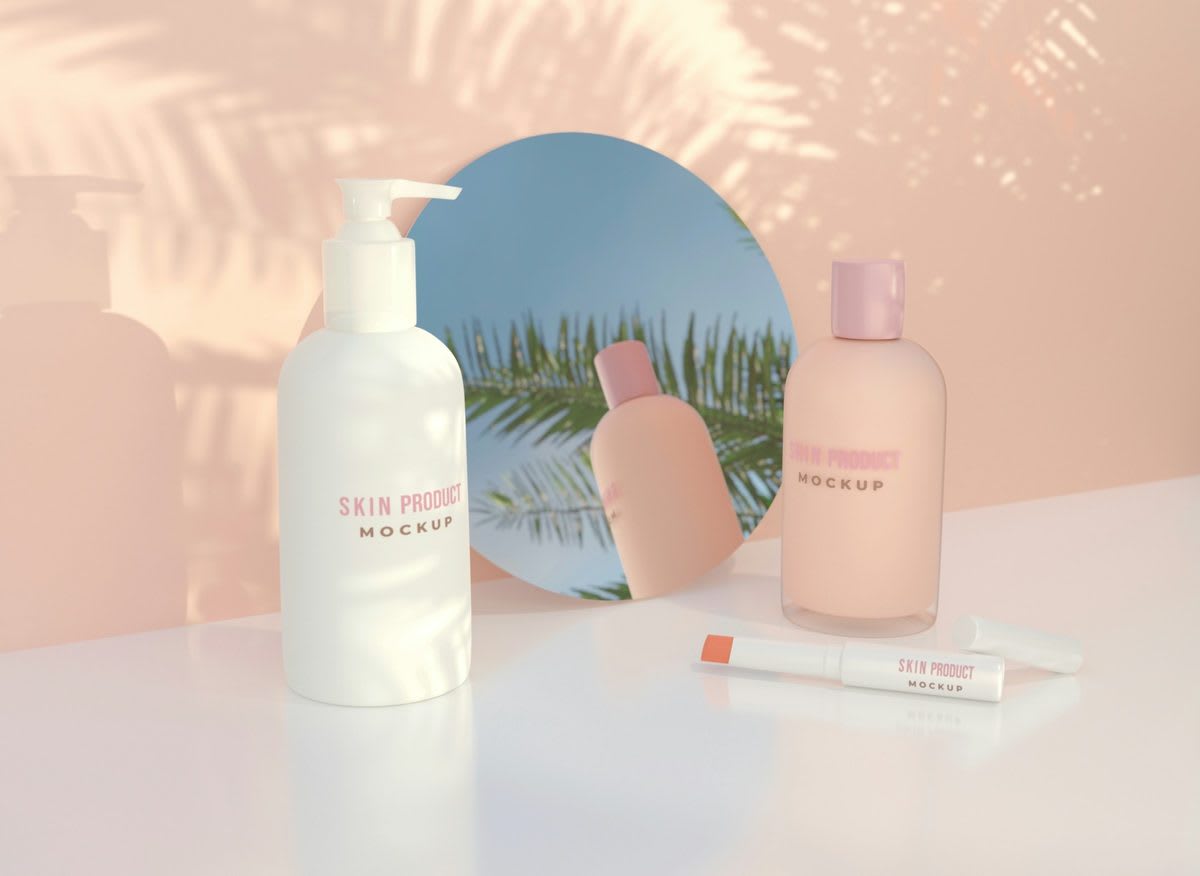
Photo by Mariia Berezovsky on Unsplash
📊 Who Is Buying: Retailers and Drugmakers Go Direct
According to Korean industry sources reported by the Seoul Economic Daily in November 2026, a growing list of international retailers now sell Korean-made products under their own labels.
Company Market What they launched
Kruidvat Netherlands, Belgium (1,250+ stores) Eight Korean-made private label products under "Kruidvat Korean Skincare," launched in June
Mercadona Spain Korean-made PDRN and collagen eye patches (August), then a "K-Skin" line with a PDRN serum and gel cream (October) under its Deliplus brand
Rossmann Germany Eight skincare products developed and made in Korea under its ISANA private label (October 2025)
Ulta Beauty United States Korean-made eye patches under Ulta Beauty Collection, starting at US$8
Source: Seoul Economic Daily (Nov 15, 2026), citing Korean beauty industry sources.
The pattern is clear. Kruidvat built its K-beauty shelf with Korean brands such as Beauty of Joseon and SKIN1004, saw the demand, and then added its own Korean-made line next to them. The retailer keeps the K-beauty traffic and gains a higher-margin product it controls.
Drugmakers are moving too. Genecell, the Korean unit of Japanese drug distributor Alfresa Group, signed a contract with Cosmax in September to develop premium cosmetics using stem cell culture supernatant. In Brazil, drugmaker Cimed is investing 80 million reais (about KRW 18.9 billion) with Korean partner GDK Cosmetics to build a new brand, Mili. Seven products have been developed so far, with a plan to reach 100 by the end of next year (Seoul Economic Daily, 2026).
📍 Why Retailers Choose Korean ODMs
Three reasons stand out from the reporting and from what we see on the ground in Seoul.
1. Speed to market. Kim Myoung-joo, an analyst at Korea Investment & Securities, noted that Cosmax takes about three to four months for product development and production, compared with five to eight months for global rivals (Seoul Economic Daily, 2026). For retailers that refresh shelves every season, that gap matters.
2. Trend-ready formulas. Korean ODMs work with hundreds of brands, so they often have tested bases for trending ingredients such as PDRN, collagen, centella and peptides. Mercadona's PDRN serum is a good example of a retailer picking up an ingredient that grew popular in Korea first.
3. The "Made in Korea" signal. As K-beauty becomes more popular, foreign retailers use the Korean origin itself as a competitive asset. A private label line labeled as Korean-made can sit credibly beside Korean brands on the same shelf.
Photo by RephiLe water on Unsplash
📊 What It Means for Korean ODM Capacity
The shift is visible in the export revenue of Korea's leading ODMs. Their customer base has widened from K-beauty brands going abroad to overseas retailers ordering directly.
ODM Export revenue 2022 Export revenue 2025 Change
Cosmax KRW 263.6B KRW 450.5B +71%
Kolmar Korea KRW 41.9B KRW 90.6B +116%
Cosmecca Korea KRW 28.9B KRW 73.0B +153%
Source: Seoul Economic Daily (Nov 15, 2026). Change calculated by KNSUNCLES.
Manufacturers are adding capacity to keep up. Cosmecca Korea is investing a total of KRW 200 billion in a new production base in Ochang, North Chungcheong Province. Cosmax is spending KRW 60.5 billion to expand its Pyeongtaek plant, and Kolmar Korea's new Sejong plant is due to come online next year (Seoul Economic Daily, 2026).
For buyers, this has two sides. More capacity is coming, but the largest ODMs are also busier than ever, and large retail programs get priority. Smaller buyers should expect minimum order quantities (MOQs) and lead times to be part of the negotiation, not a given. Korea's mid-sized and specialist ODMs are often the better fit for first programs.
This also connects to the ownership changes we covered in K-Beauty M&A 2026: Why Global Capital Is Buying Korea's Supply Chain. Growing private label demand is one reason investors want to own Korean factories.
✅ How to Plan a Private Label Program with a Korean ODM
Whether you run a pharmacy chain, an online store or a distribution business, the planning steps are similar. Here is the checklist we use with clients.
Step What to decide Typical question for the ODM
1. Positioning Price tier, target customer, hero claim Which of your existing bases fit this price point?
2. Range size Start with 3–8 SKUs, like Kruidvat and Rossmann did What is the MOQ per SKU and per packaging item?
3. Formula route Stock formula (faster) or custom (more distinctive) Who owns the formula, and can we move production later?
4. Packaging Stock containers or custom molds What are the packaging lead times versus the formula?
5. Regulation Target markets (EU CPNP, US MoCRA, Brazil ANVISA, etc.) Which documents do you provide: INCI, safety data, test reports?
6. Labeling "Made in Korea" placement, local language, claims Can you review label claims against our market rules?
7. Timeline Development, stability testing, production, shipping What is a realistic date from brief to delivery?
A few practical points help avoid surprises:
• Ask about formula ownership early. Stock formulas are faster but usually stay with the ODM. Custom formulas cost more but give you more control.
• Budget for packaging MOQs. Custom containers and printed cartons often have higher minimums than the bulk product itself.
• Plan regulation in parallel. Start your target market registrations while samples are still being refined. Our guide on how to sequence regulatory approvals explains the order for the US, EU and other markets.
• Verify the factory. Check certifications such as CGMP and ISO 22716, export experience and references before signing. See Before You Sign Anything for a full checklist.

Photo by Luke Southern on Unsplash
💡 Private Label vs. Distributing Korean Brands
Private label does not replace distribution of Korean brands. Most retailers in the examples above do both. Each model fits a different goal.
Distributing Korean brands Private label with a Korean ODM
Speed to shelf Fast, if registrations exist 3–6+ months typical
Margin Set by brand pricing Higher control over cost and price
Brand building Brand owner leads marketing You build your own brand equity
Exclusivity Often shared with other retailers Product is yours alone
Upfront commitment Purchase orders Development, MOQs and packaging
A common path is to start by distributing proven Korean brands, learn which categories sell in your market, then launch private label in those categories. That is close to what Kruidvat did, and it reduces the risk of guessing.
Key Takeaways
• Retailers such as Kruidvat, Mercadona, Rossmann and Ulta Beauty now sell Korean-made skincare under their own private labels (Seoul Economic Daily, 2026).
• Drugmakers are joining in, including Genecell (Alfresa Group) with Cosmax and Brazil's Cimed with GDK Cosmetics.
• Export revenue at Cosmax, Kolmar Korea and Cosmecca Korea grew sharply from 2022 to 2025 as overseas retailers ordered directly.
• Korean ODMs offer speed, trend-ready formulas and the "Made in Korea" signal, but top factories are busy, so MOQs and lead times need early discussion.
• Start small (3–8 SKUs), clarify formula ownership, plan packaging and regulation in parallel, and verify the factory before signing.
Sources: Seoul Economic Daily (Nov 15, 2026), citing Korean beauty industry sources and Korea Investment & Securities.
Looking to source from Korean manufacturers?
KNSUNCLES connects global brands with verified K-beauty OEM/ODM partners — from formulation to export.
👉 Contact us
for sourcing or partnership inquiries.
KNSUNCLES · Daily K-Beauty Pulse, Direct from Seoul · kbeautybiz.blogspot.com